
Invoice workflows
Prepare and approve agreed invoices, credits and corrections with clear document states.
Accounting software development builds tailored finance workflows around the records your business needs to create, approve and reconcile. It can connect invoice preparation, expenses, payment status and reporting with an existing accounting platform rather than replace the ledger.

For finance and operations teams that repeatedly re-enter records, struggle with unusual approval rules or need a controlled connection between operational activity and accounting.
Prepare and approve agreed invoices, credits and corrections with clear document states.
Match supported payment updates and partial payments with the relevant customer and invoice records.
Compare totals, identifiers and exceptions between systems so finance can investigate differences.
Define who can create, approve, export and correct records, with suitable audit history.
A project business could turn an approved delivery milestone into a draft invoice for finance review, then track the accounting platform’s confirmed invoice and payment status.
This describes a possible scope, not a claimed client result.Finance-approved mappings and calculation rules, working workflows or integrations, representative acceptance tests and technical handover. Bookkeeping decisions, tax advice and statutory approval are outside a general development promise.
Use the accounting platform’s standard functionality or a supported connector when it fits. Custom work is justified by a specific operational gap, not simply by wanting another ledger.
For UAE finance workflows, identify the legal entity, AED and any other required currencies, invoice source and responsible finance reviewer. Assess applicable e-invoicing interfaces against current official guidance instead of assuming a standard accounting connection establishes compliance.
Optimal Designz is operated by Optimal Design Solutions SMC-PVT Ltd., registered in Pakistan. Delivery arrangements, supported languages, system compatibility and ongoing support are confirmed in the written scope; this country edition does not imply a local office.
Have a similar task in mind? Share your current tools, the people involved and one complete example.
Discuss this requirementSee the capabilities, workflows and delivery choices behind the service. Start with the work you need to complete.
Begin with the people, processes and systems involved. These details help define what the work needs to support.
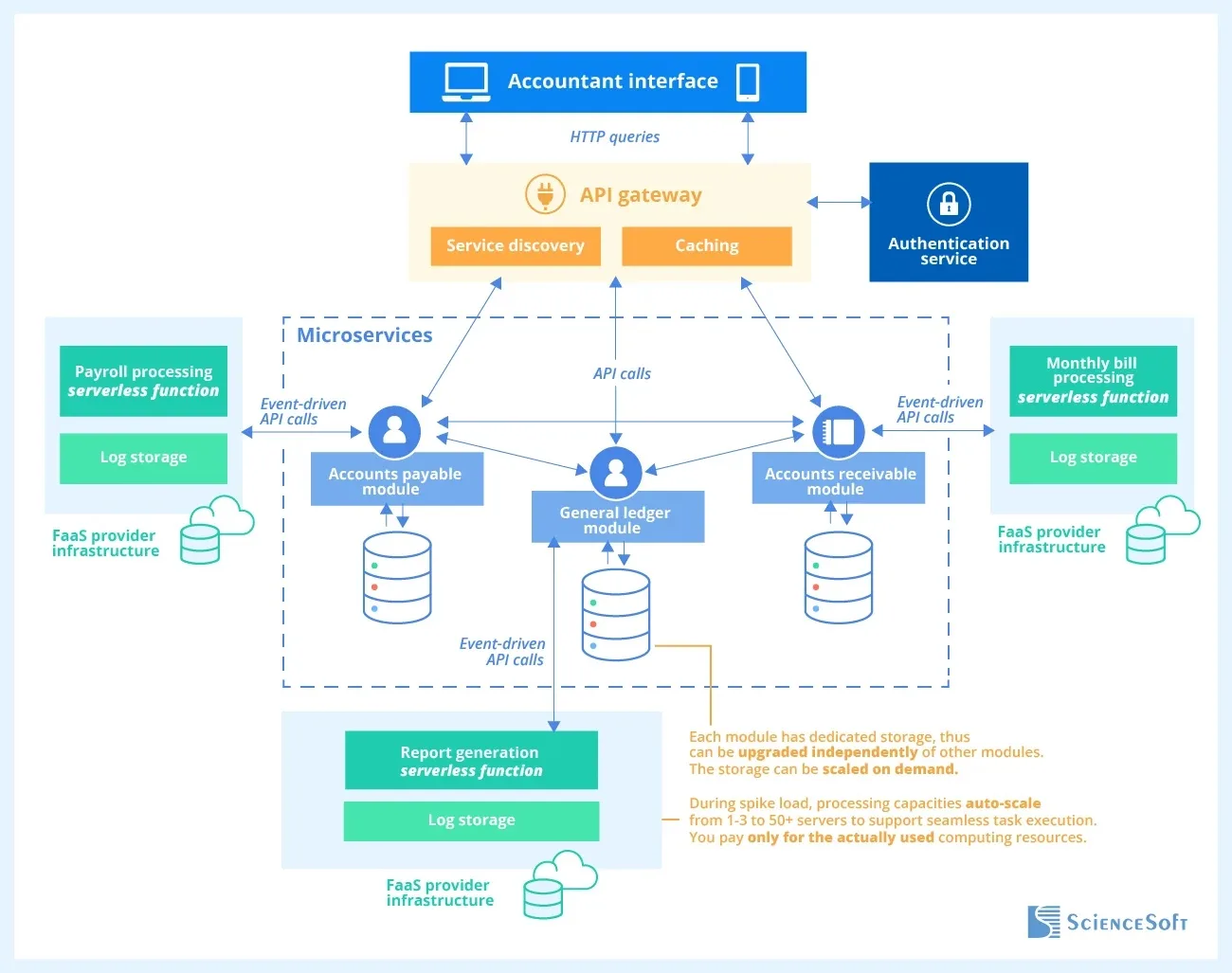
Map customer and supplier records, invoice references, credit notes, payment allocation and reconciliation. Finance staff should be able to trace a reported total back to its source record and understand corrections.
Assess AED and other currency handling, entity-level records and any e-invoicing connection separately. Confirm applicable requirements and provider accreditation against Ministry of Finance guidance with your accountant; we do not claim accredited-service-provider status.

Projects may include invoice generation, expense capture, payment status, financial dashboards, data synchronisation, document workflows and reporting. Exact capabilities depend on requirements and integrations.
For each proposed feature, specify who enters, reviews and approves the information. Include missing documents, rejected approvals, duplicate requests and corrections. A defined first workflow gives the team something meaningful to validate before adding broader reporting or automation.
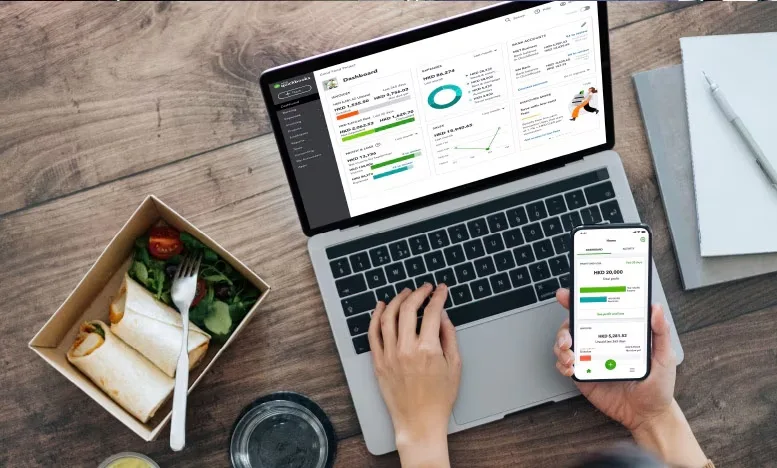
Use approved sample invoices, credits, partial payments and rejected transfers as acceptance cases. Keep statutory interpretation and filing responsibilities with your qualified advisers.
Assess AED and other currency handling, entity-level records and any e-invoicing connection separately. Confirm applicable requirements and provider accreditation against Ministry of Finance guidance with your accountant; we do not claim accredited-service-provider status.
Explore the design, functionality and connections that can make the service fit its day-to-day use.
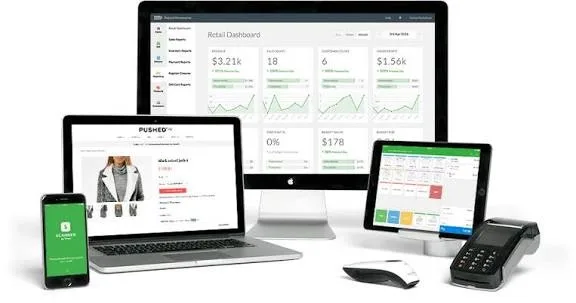
Financial integrations need clear rules for identifiers, timing, duplicate handling, corrections, error states and reconciliation. These details are important to avoid creating more work than the integration removes.
Reconcile representative records, identifiers and totals across the systems involved. Include a repeated request, a rejected transfer and a change to an already posted record. Give unresolved differences an owner and a visible correction path.
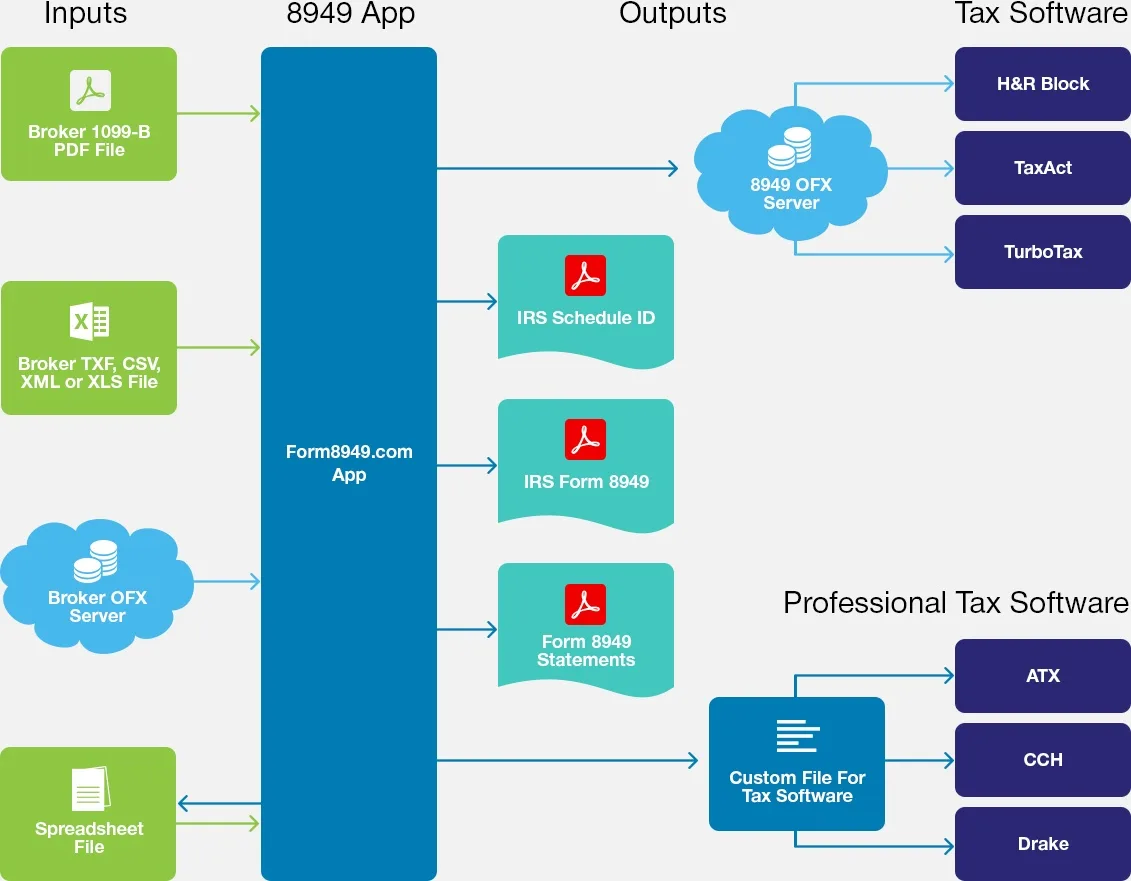
Financial workflows should use appropriate access controls, audit trails and secure handling of business information. Specific controls depend on the system and risk assessment.
Agree who can create, approve, export and correct records, and the diagnostic information needed to investigate an issue. Access to provider accounts and credentials should follow the agreed responsibilities. Include user removal, handover and maintenance in the operating plan.

Assess AED and other currency handling, entity-level records and any e-invoicing connection separately. Confirm applicable requirements and provider accreditation against Ministry of Finance guidance with your accountant; we do not claim accredited-service-provider status.
Use approved sample invoices, credits, partial payments and rejected transfers as acceptance cases. Keep statutory interpretation and filing responsibilities with your qualified advisers.
Consider testing, handover and the next steps as part of a clear delivery plan.

Use the Ministry of Finance’s current UAE e-invoicing guidance to establish the applicable scope and provider requirements with your accountant. Assess the connection from your billing or ERP system to the selected provider separately.
Optimal Designz does not claim to be an accredited UAE e-invoicing service provider. We can discuss data mapping, validation and integration scope; accreditation and statutory obligations must be verified through official sources.
Explore the supporting detail after reviewing the capabilities and project choices.
Connect invoices, payments and financial records with software planned around your UAE finance workflow. We scope accounting applications and integrations with the people responsible for the accounts.
Map customer and supplier records, invoice references, credit notes, payment allocation and reconciliation. Finance staff should be able to trace a reported total back to its source record and understand corrections.
Practical answers to help you compare options and prepare for a useful project conversation.
For finance and operations teams that repeatedly re-enter records, struggle with unusual approval rules or need a controlled connection between operational activity and accounting.
Accounting software development builds tailored finance workflows around the records your business needs to create, approve and reconcile. It can connect invoice preparation, expenses, payment status and reporting with an existing accounting platform rather than replace the ledger.
Projects may involve invoicing, bookkeeping workflows, approvals, reconciliations, reporting and connections to an existing accounting platform. Start by deciding what should remain in an established finance system and what actually needs development.
No. Software can help collect records, route approvals and prepare information, but the business remains responsible for accurate tax treatment and professional advice where needed. Automated workflows should not imply guaranteed compliance.
Bookkeeping software maintains the accounting ledger. A custom workflow may collect timesheets, orders or approvals and pass validated information to the ledger. Avoid creating competing financial records without clear reconciliation.
Potentially. Map sales, refunds, discounts, VAT, payment fees and settlement dates carefully. A daily total is not enough if the receiving accounting system requires separate tax or revenue categories.
The main cost factors are finance-approved mappings, invoice types, refunds, fees and reconciliation. Compare a focused first release with a wider build, and separate development from hosting, provider licences, usage and support. Share one representative task and your current systems so the estimate can state deliverables, assumptions and exclusions.
They can route draft invoices or expenses to named reviewers, record decisions and identify exceptions. The rules should include missing information, delegated approval and changes after an invoice is issued.
Agree opening balances, historic periods, tax treatment, document retention, data exports and reconciliation checkpoints. Finance users should sign off sample records before a wider migration.
Usually assess configuration and approved connectors first. New accounting software is a larger responsibility than building a supplementary workflow or reporting layer.
Define scope, financial controls, security responsibilities, integration permissions, test cases, reconciliation, support and handover. A tax specialist should validate any product claims affecting compliance.
It can present information from connected sources, but the definitions and timing of payments, accruals and liabilities matter. Reports should identify data sources and avoid presenting estimates as reconciled figures.
Map customer and supplier records, invoice references, credit notes, payment allocation and reconciliation. Finance staff should be able to trace a reported total back to its source record and understand corrections. Share the systems involved, representative examples and the decision-makers who can review the work.
Assess AED and other currency handling, entity-level records and any e-invoicing connection separately. Confirm applicable requirements and provider accreditation against Ministry of Finance guidance with your accountant; we do not claim accredited-service-provider status. The supported languages, interfaces and rollout arrangements are confirmed in the agreed scope.
Share your UAE business workflow, the systems you use today and the outcome you want to explore. We’ll agree the scope, dependencies and useful next step.
May we use Google Analytics to understand website visits and completed enquiries? It’s optional, and you can change your choice at any time.
Cookie information